Over 100,000 people visit bayoffundy.com each year for in-depth background, practical info, and comprehensive travel advice. Must see spots, places to stay, and experiences you don't want to miss are just some of the helpful things you'll find here. Don't know where to begin?
Start with the Bay of Fundy tides,
popular experiences, and our 52 Reasons to visit series
Located on Mt. Desert Island, just across the Bay of Fundy from Yarmouth, Nova Scotia, is the city of Bar Harbor, Maine. The Bar Harbor area includes Trenton Bridge, Otter Creek, and Town Hill and is in close proximity to Bangor, Portland, Boston and Montreal.
The Fundy Coast of New Brunswick is home to the world’s highest tides, and many of the stops along the way showcase this. In this guest post Jen Smith shares her list of the places worth a stop in this spectacular area!
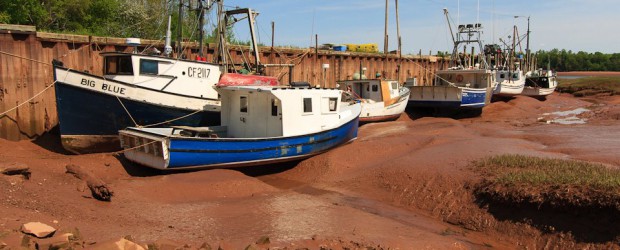
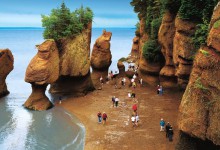
During Fundy’s low tide cycle you are literally able to walk, and explore, the ocean floor. Ground covered only a few short hours earlier is revealed and the potential for finding newly exposed treasures, such as fossils, sea glass and semi-precious stones, make it easy to spend hours combing the shores.
The Bay of Fundy is a 280 km long ocean bay located on the Atlantic (east) coast of North America, on the northeast end of the Gulf of Maine. It sits between the Canadian provinces of New Brunswick and Nova Scotia, with a small portion touching the U.S. state of Maine.
Bay of Fundy Tides
Many people travel to the Bay of Fundy to witness the highest tides in the world. During each 12½ hour tide cycle, a billion tonnes of water flow in and out of this bay – that’s more than the flow of all the world’s freshwater rivers combined – making it one of the best places on earth to gather “green” tidal energy. The tides are most pronounced around the Minas Basin, with tidal ranges up to 15m. The highest tide ever recorded was 16.6m (54.5ft) at Burncoat Head, Nova Scotia.
The diverse Bay of Fundy ecosystem has been compared in marine biodiversity to the Amazon Rainforest. It’s an absolutely essential site for bird, fish and marine mammal migrations, resulting in an abundance of activities for our nature loving visitors. Equally varied is the geological landscape encompassing the coastal areas of New Brunswick, Nova Scotia and Maine.
Bay of Fundy Whale Watching
The waters of the Bay of Fundy are visited by over 8 species of whales and an abundance of dolphins, porpoises, fish, seals, and seabirds. The Bay of Fundy provides an important “nursery”, where more than half of the world’s population of endangered North Atlantic Right whale raise their calves.
If you plan to see whales and dolphins during your visit it’s important to know that the Bay of Fundy whale watching season runs from June to October inclusive. Seeing these graceful whales and dolphins is truly spectacular and sure to be a highlight of your Bay of Fundy vacation!
History & Culture
The culture of this great region ranges from the sea-bound traditions of Maine and the Fundy Isles to the loyalist pride of Saint John; from the lush and rich farmlands of the Annapolis Valley to the homeland of Acadian heritage. Fundy’s culture and history are widely celebrated at numerous historic sites, museums, and interpretation centres.
All this is framed by breathtaking rock cliffs, eroded sandstone statues, dramatic mud flats and awesome marsh plateaus. The Bay of Fundy is known for its serene coastal views and national & provincial parks. Coastal hiking trails take you across dramatic cliffs that rise above Fundy’s waters or you could go sea kayaking for an equally dramatic view.
Explore miles of quiet, undisturbed beaches and watch rare birds stopping over on their migratory route to the south. The Bay of Fundy offers an abundance of activity for travellers of any interest.
Unesco
The Bay of Fundy is also home to several Unesco Designated sites, one of which are the Joggings Fossil Cliffs World Heritage Site. Here you can find the most complete fossil record of the Coal Age, some 300 million years ago. On display are fossils from the world’s first reptiles and Canada’s oldest dinosaurs.